

5mm frosted glass
Standard di Dimensioni per gli Strumenti di Misurazione Bore Gauge Negli ambienti industriali e nei laboratori di precisione, la misurazione del diametro interno di fori e cilindri è un'attività fondamentale per garantire che i componenti rispettino le specifiche richieste. Uno degli strumenti più comuni utilizzati per questa attività è il bore gauge. Tuttavia, non tutti i bore gauge sono creati uguali. La standardizzazione delle dimensioni dei bore gauge è essenziale per garantire accuratezza e coerenza nelle misurazioni. Questo articolo esplorerà gli standard di dimensioni per i bore gauge e la loro importanza nella misurazione industriale. Cos'è un Bore Gauge? Il bore gauge è uno strumento di precisione progettato per misurare il diametro interno di un foro con elevata accuratezza. Esso viene generalmente utilizzato in combinazione con un micrometro o un caliper per ottenere misurazioni precise. Le varianti più comuni di bore gauge includono il bore gauge a comparatore e il bore gauge a punta. Entrambi hanno la funzione di rilevare le differenze di dimensione in fori di diverse profondità e diametri. Standard di Dimensioni La standardizzazione delle dimensioni per i bore gauge è cruciale per diversi motivi. In primo luogo, le aziende devono garantire che gli strumenti siano interoperabili e compatibili con gli altri strumenti di misurazione. La mancanza di standardizzazione può portare a errori di misurazione e, di conseguenza, a componenti non conformi. Attualmente, molte organizzazioni, tra cui l'American National Standards Institute (ANSI) e l'International Organization for Standardization (ISO), hanno sviluppato standard specifici per la produzione e la calibrazione di bore gauge. Questi standard definiscono le dimensioni massime e minime degli strumenti, oltre agli intervalli di misurazione permessi. Varietà di Dimensioni I bore gauge sono disponibili in diverse dimensioni e capacità di misurazione. Le dimensioni standard variano in base all'applicazione e all'industria. Ad esempio, un bore gauge può avere una capacità di misurazione che va da 1 mm a 300 mm, mentre altri possono coprire gamme più ampie o più ristrette. bore gauge standard sizes La scelta della dimensione corretta del bore gauge dipende da diversi fattori 1. Dimensioni del Foro Prima di tutto, è essenziale considerare il diametro del foro che si intende misurare. Strumenti di misurazione troppo grandi o troppo piccoli non garantiranno una misurazione accurata. 2. Profondità del Foro Alcuni fori possono essere molto profondi. In questo caso, è possibile utilizzare bore gauge a punte lunghe per accedere ai punti difficili. 3. Tipo di Materiale La durezza e la resistenza del materiale del foro possono influenzare la scelta del bore gauge. È importante selezionare uno strumento progettato per resistere a condizioni di lavoro specifiche. Importanza della Calibrazione Oltre alla standardizzazione, la calibrazione dei bore gauge è un aspetto fondamentale per garantire misurazioni accurate. La calibrazione dovrebbe essere eseguita regolarmente e secondo gli standard internazionali. Gli operatori devono essere addestrati per riconoscere quando uno strumento potrebbe non funzionare correttamente, il che può influenzare i risultati di misurazione. Conclusione In sintesi, i bore gauge sono strumenti essenziali per la misurazione del diametro interno di fori e cilindri. La loro standardizzazione nelle dimensioni è fondamentale per garantire precisione e coerenza, minimizzando il rischio di errori. L'adozione di pratiche di calibrazione rigorose assicura che questi strumenti forniscano risultati affidabili. Con l'evoluzione continua delle tecnologie di misurazione e della domanda industriale, la standardizzazione dei bore gauge rimarrà una priorità per le aziende che cercano di mantenere elevati standard di qualità e precisione nei loro processi di produzione.
about
5mm frosted glass
Understanding the 16% Globe Valve A Critical Component in Fluid Control When it comes to managing the flow of fluids in various industrial applications, valves play a crucial role. Among the many types of valves available, the globe valve stands out for its effectiveness in regulating fluid flow. This article will delve into the specifics of the 16% globe valve, its design features, applications, and advantages that make it a popular choice in numerous industries. What is a Globe Valve? A globe valve is a type of linear motion valve that is used to start, stop, or regulate the flow of liquid or gas. The design of the globe valve consists of a spherical body with a movable disc or plug that acts against a stationary ring seat. This configuration allows for significant control over fluid flow, making it an excellent choice for throttling applications. The 16% Globe Valve Explained The term 16% globe valve typically refers to the flow characteristic of the valve. Specifically, a 16% globe valve is designed to have a flow coefficient (or Cv) that allows for a 16% change in flow rate relative to an adjustment in the valve positioning. This feature is particularly useful in applications where precise flow regulation is necessary. This design aspect enables operators to fine-tune fluid flow according to the needs of the system, enhancing overall operational efficiency. Construction and Design Features The construction of a 16% globe valve includes key components that contribute to its functionality 1. Body The valve body is often made from high-quality materials such as stainless steel, brass, or cast iron, depending on the application requirements. The robust body design supports high pressure and temperature applications. 2. Disc/Plug The disc or plug is usually made from durable materials to withstand wear and tear. Its design is critical for controlling the flow rate and preventing leakage. 3. Seat The seat is the component against which the disc compresses to create a seal. A well-designed seat enhances performance by ensuring minimal leakage when the valve is closed. 4. Bonnet The bonnet provides access to the internal components for maintenance and facilitates the connection to an actuator or manual control mechanism. 16 globe valve 5. Actuation Globe valves can be either manually operated or automated using electric or pneumatic actuators, making them versatile for various applications. Applications of 16% Globe Valves 16% globe valves are commonly found in various industries, including - Oil and Gas They regulate the flow of crude oil, natural gas, and refined products within pipelines. - Water Treatment In water treatment facilities, these valves control the flow of water and additives in the purification process. - Chemical Processing They manage the flow of raw materials and chemicals throughout processing plants. - HVAC Systems Globe valves are used to maintain appropriate flow rates in heating, ventilation, and air conditioning systems. Advantages of Using 16% Globe Valves 1. Flow Control The primary advantage of using a 16% globe valve is its ability to provide precise control over fluid flow. This is essential for processes that require exact flow rates. 2. Durability The robust construction of globe valves ensures longevity, even in harsh operating conditions. This resilience translates to lower maintenance costs and improved reliability. 3. Versatility Globe valves can be used in a wide variety of applications, thanks to their adaptive designs and the ability to handle various fluid types and pressures. 4. Reduced Turbulence The design of globe valves minimizes turbulence, leading to a more stable flow and less wear on piping systems. 5. Ease of Maintenance Most globe valves are designed for straightforward maintenance. Their construction allows easy access to internal components, making it easier to perform repairs or replacements when needed. Conclusion The 16% globe valve is an invaluable component in fluid control systems across multiple industries. Its design allows for precise regulation of flow, durability to withstand tough conditions, and versatility for various applications. By understanding the unique features and benefits of the 16% globe valve, engineers and operators can make informed decisions that enhance the efficiency and reliability of their systems. As industries continue to evolve, the importance of reliable valves like the globe valve will only increase, playing a vital role in the seamless operation of fluid management systems.
-

High quality industrial productsagement

High quality industrial products
View Details -

Meet the diverse needs of customers

Meet the diverse needs of customers
View Details -

Strict quality control

Strict quality control
View Details -

Top raw materials

Top raw materials
View Details -

Trusted supplier

Trusted supplier
View Details
Our application



news and information
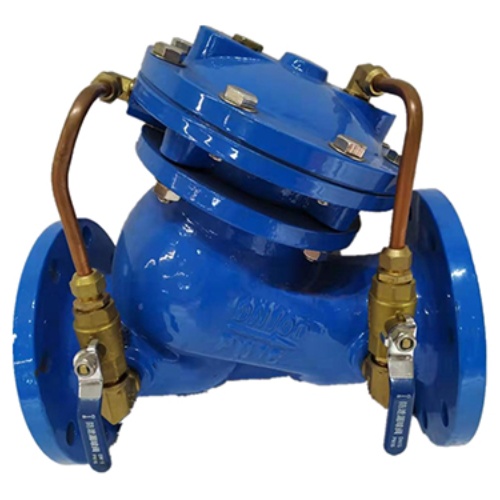
Water Flow Control Valve for Efficient Shut-off Solutions
Understanding Water Shut-off Valves A Guide Water shut-off valves are an essential component in plum
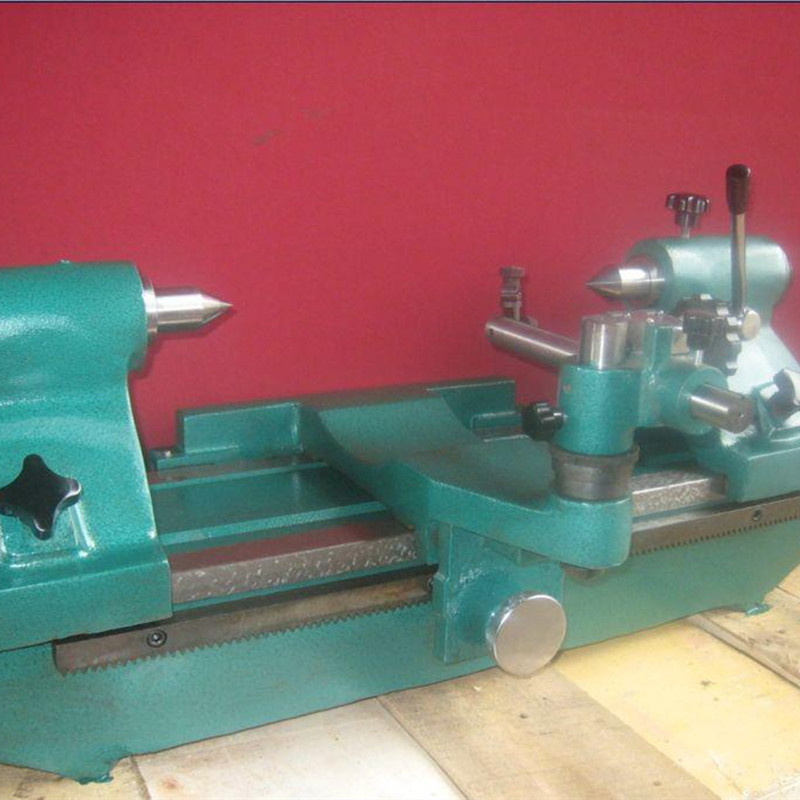
Versatile 4x6 Welding Table for Efficient Metal Fabrication and DIY Projects
Enhancing Your Workshop with a 4x6 Welding Table When it comes to welding, having the right workspac

Welding Fabrication Services _ Precision Welding & Custom Fabrication
Understanding Welding and Fabrication A Comprehensive Overview Welding and fabrication are critical
 English